Discover the Power of Gamified Learning Strategies
- Mz. Marianna

- Jul 13
- 4 min read
If you’ve ever felt like your child just isn’t clicking with traditional schoolwork, you’re not alone. I get it - sometimes it feels like your kid is broken or just not trying hard enough. But here’s the truth: your child is not broken. They just need a different way to engage, learn, and thrive. That’s where gamified learning strategies come in, and trust me, they’re a total game-changer. 🎮✨
Imagine turning math, reading, and writing into an exciting adventure where your child wants to learn. No more tears, no more battles over homework. Just fun, motivation, and real progress. Ready to discover how? Let’s dive in!
What Is Gamified Learning and Why It Works
Gamified learning means using game elements like points, levels, challenges, and rewards to make education more engaging. It’s not about playing video games all day but about turning learning into a game that your child can win.
Why does this work so well? Because games tap into what motivates us naturally:
Instant feedback: Kids see their progress right away.
Clear goals: They know what to aim for.
Fun challenges: Learning feels like play, not work.
Rewards and badges: Celebrate every win, big or small.
When your child feels successful and excited, their brain lights up with dopamine - the “feel-good” chemical that boosts memory and focus. This means they’re not just learning; they’re loving learning.
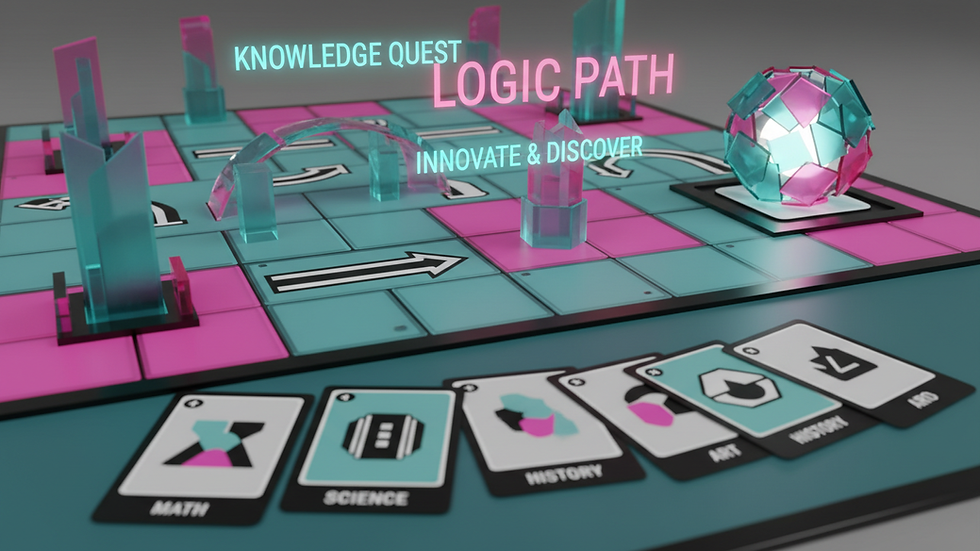
Gamified learning tools make education fun and interactive
Top Gamified Learning Strategies to Try at Home
You don’t need fancy tech or expensive programs to start gamifying your child’s learning. Here are some simple, effective strategies you can use today:
1. Create a Points System
Turn daily tasks into a points game. For example:
5 points for completing a math worksheet
10 points for reading a chapter of a book
15 points for writing a story or journal entry
Set a goal for points each week and offer a reward when they reach it. Rewards can be small but meaningful, like choosing a family movie or extra playtime.
2. Use Educational Apps with Game Elements
There are many apps designed to teach math and reading through games. Look for ones that:
Adapt to your child’s skill level
Offer challenges and levels
Provide instant feedback and rewards
These apps make screen time productive and fun.
3. Turn Learning into a Quest
Frame lessons as missions or quests. For example, “Today, you’re a detective solving math mysteries!” or “Let’s explore the world of words and unlock the treasure of reading.”
This storytelling approach makes learning feel like an adventure.
4. Incorporate Physical Movement
Combine learning with movement games. For example, write math problems on cards and hide them around the house. Your child has to find and solve them to earn points.
This helps kids who struggle to sit still stay engaged.
5. Use Leaderboards and Friendly Competition
If you have more than one child, or even friends, create a leaderboard to track progress. Friendly competition can boost motivation and make learning social.
How Gamified Learning Supports Emotional Growth and Confidence
One of the biggest wins of gamified learning is how it helps kids feel capable and confident. When your child sees themselves succeed, even in small ways, it builds a positive self-image.
Here’s what gamified learning does emotionally:
Reduces frustration: Challenges are broken into manageable steps.
Builds resilience: Kids learn to try again after setbacks.
Encourages independence: They take charge of their own progress.
Fosters joy in learning: It’s not a chore, it’s a choice.
I’ve seen this firsthand with families I work with. When parents partner with someone like mz. marianna, tutoring math and reading, they discover how gamified learning can unlock their child’s potential and bring hope back into education.

Reward charts help motivate children through gamified learning
Practical Tips to Get Started with Gamified Learning Today
Ready to bring gamified learning into your home? Here’s a quick checklist to help you start strong:
Set clear, achievable goals: What do you want your child to learn this week?
Choose simple rewards: Keep them meaningful but not extravagant.
Make it visual: Use charts, stickers, or apps to track progress.
Celebrate every win: Praise effort, not just results.
Be consistent: Gamification works best with regular practice.
Adapt as needed: If something isn’t working, tweak it!
Remember, the goal is to make learning fun and engaging, not stressful. Your child’s unique learning style matters, so be patient and creative.
Why Gamified Learning Is a Game-Changer for Homeschooling and Beyond
If you’re homeschooling or supplementing your child’s education, gamified learning can be a powerful tool. It helps:
Keep kids motivated without pressure
Build skills in math, reading, writing, and organization
Encourage self-paced learning that fits your family’s schedule
Use ESA and Step Up funds effectively for educational resources
Support unschooling methods by making learning child-led and joyful
By turning education into a game, you’re giving your child the gift of confidence and curiosity that lasts a lifetime.
Your Next Step: Embrace the Fun and Watch Your Child Thrive
You don’t have to be a teacher or tech expert to make gamified learning work. Start small, stay positive, and watch your child’s attitude toward schoolwork transform.
If you want personalized support, consider reaching out to mz. marianna, tutoring math and reading for expert guidance tailored to your child’s needs.
Remember, your child is not broken. They just need the right tools and encouragement to shine. Gamified learning is one of those tools - a fun, hopeful way to unlock their full potential.
Let’s make learning an adventure your child looks forward to every day! 🚀📚
Happy learning and happy parenting!

Comments